Office Cleaning
Pro H Clean provides office cleaning services for companies, clinics, real estate offices, consulting offices, training centers, commercial spaces, and modern workplaces that need a clean, organized, and professional environment for employees, visitors, and clients.
Office Cleaning Guide
Office Cleaning That Protects Your Company’s First Impression
An office is not only a place where work happens. It is the first space your clients, visitors, employees, partners, and managers see when they enter your business. A clean reception area, dust-free desks, fresh floors, organized meeting rooms, clean bathrooms, and a pleasant smell all create confidence before any conversation starts.
Pro H Clean offers office cleaning for workplaces that need a clean and professional appearance without disrupting daily operations. Whether you manage a small office, a full administrative floor, a clinic, a training center, a real estate office, a consulting office, or a commercial workspace, the service can be arranged based on the size of the place, number of rooms, type of flooring, and cleaning frequency required.
Office cleaning is different from home cleaning. In an office, there are workstations, computers, files, meeting tables, office chairs, reception desks, glass partitions, bathrooms, small pantry areas, corridors, and shared spaces. Each area needs a practical cleaning approach that keeps the space clean while respecting work privacy and business flow.
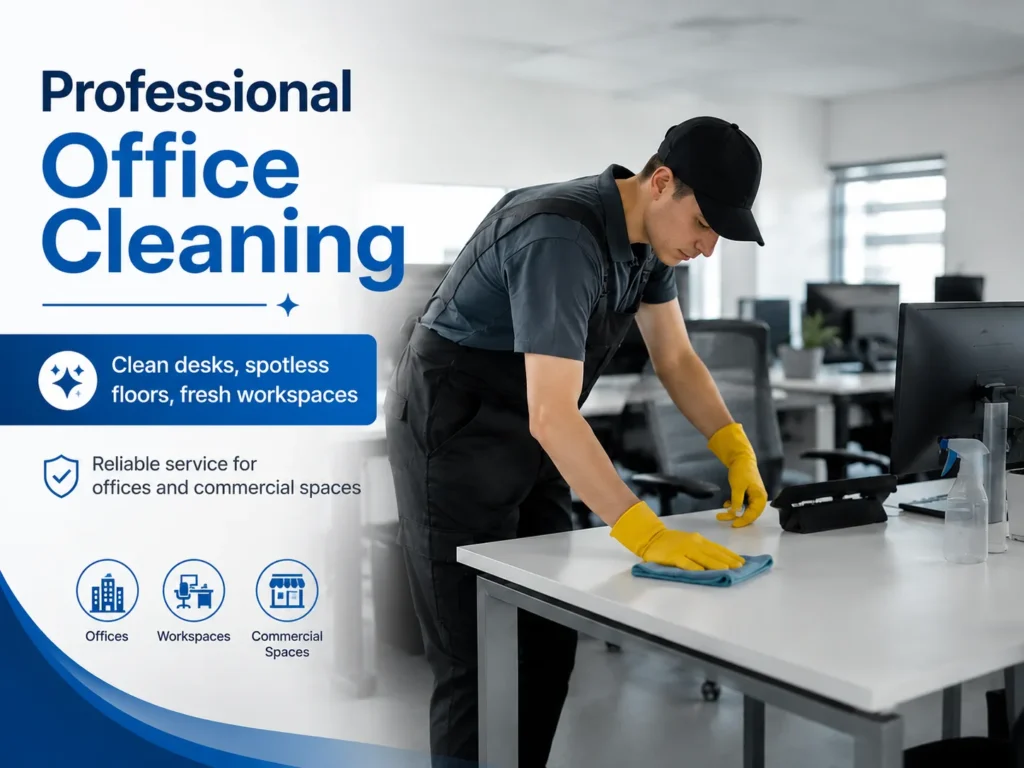
A clean office is not only about shiny floors. It means clean desks, fresh bathrooms, clear glass, organized meeting rooms, and a workplace that feels ready for business.
Why businesses need regular office cleaning
Any office that is used every day will collect dust, fingerprints, food crumbs, paper waste, shoe marks, bathroom odors, and stains over time. Even careful employees cannot stop normal daily use from affecting the workspace. Dust settles on desks and screens, bins fill quickly, pantry areas collect coffee stains, and floors become dull from repeated walking.
Regular office cleaning helps maintain a stable level of cleanliness instead of waiting until the space becomes visibly dirty. This is especially important for offices that welcome clients, hold meetings, or have employees working long hours. A clean office supports a better work atmosphere and reduces last-minute stress before visits or important meetings.
How office cleanliness affects your business image
Clients notice details quickly. A dusty reception counter, stained floor, dirty glass door, messy meeting table, or unpleasant bathroom smell can affect how people feel about your company. Even if your service is strong, the office environment can either support your brand or weaken the first impression.
For clinics, real estate offices, consulting companies, service providers, training centers, and administrative offices, cleanliness is part of trust. Visitors may not see your internal systems, but they see the office, reception area, bathrooms, meeting room, and overall order. This makes office cleaning an important part of presenting your business professionally.
Main areas included in office cleaning
Office cleaning should not be handled as one general task. Each area has a different purpose. The reception area creates the first impression, employee desks need dust control, bathrooms require regular care, the pantry area needs odor control, and meeting rooms must be ready whenever a client arrives.
- Cleaning and organizing reception areas.
- Dusting desks, tables, visible surfaces, and workstation areas.
- Cleaning meeting rooms, chairs, tables, and presentation spaces.
- Cleaning floors according to the flooring type.
- Cleaning bathrooms, sinks, mirrors, handles, and high-touch surfaces.
- Cleaning pantry areas, coffee corners, and small office kitchens.
- Emptying bins and replacing garbage bags.
- Removing fingerprints from glass doors and internal partitions.
- Cleaning corners, corridors, edges, and visible dust buildup.
- Keeping the office organized without touching private documents or files.
Office cleaning for small and large workplaces
Office cleaning is not only for large companies. Small offices need regular cleaning too because limited space can become messy very quickly. A small workspace with two or three employees can still collect dust, coffee stains, paper waste, and unpleasant odors. Larger offices need more structured cleaning because the number of employees and visitors increases daily use.
That is why Pro H Clean treats every office based on its actual condition. If the office is used for long hours, receives clients, has several bathrooms, includes meeting rooms, or contains a busy reception area, it may need more frequent cleaning. If the office is used less often, weekly cleaning or periodic deep cleaning may be enough.
| Office Type | Common Cleaning Issue | Recommended Cleaning Approach |
|---|---|---|
| Small office | Dust, bins, coffee marks, and desk clutter | Regular light cleaning and surface care |
| Medium company office | Daily use of bathrooms, corridors, and shared areas | Scheduled cleaning several times per week |
| Client-facing office | Reception dust, glass fingerprints, and meeting room use | Focus on entrance, reception, and meeting areas |
| Clinic or service office | High-touch surfaces, waiting area use, and bathrooms | Detailed cleaning for visitor comfort and trust |
| Office after maintenance | Fine dust, dirty floors, and construction residue | Deep cleaning before employees return |
Daily office cleaning or deep office cleaning?
Daily office cleaning focuses on maintaining the workspace after normal use. It includes bins, floors, visible surfaces, reception, bathrooms, pantry areas, and meeting rooms. This type of service is useful for active offices that need to stay ready throughout the week.
Deep office cleaning is different. It is suitable when dust has built up, carpets or upholstery have odors, corners have been ignored, furniture was moved, or the office was recently renovated. Deep cleaning reaches areas that are not usually covered in quick daily cleaning, such as edges, corners, behind furniture, detailed floor care, glass, bathrooms, and high-use areas.
When Does Your Office Need Professional Cleaning?
Your office needs professional cleaning when cleanliness becomes part of your daily business image, not just a task that can be delayed. In a workplace where employees, clients, visitors, managers, and partners come in every day, signs of use appear quickly. Dust settles on desks, fingerprints show on glass doors, bins fill up, bathrooms need attention, floors lose their shine, and pantry areas can create unpleasant odors if they are not cleaned regularly.
Many companies only think about office cleaning before an important meeting, a client visit, an inspection, or a management tour. But the better approach is to keep the workplace clean before the problem becomes visible. A well-maintained office creates trust, supports employee comfort, and helps the company stay ready for daily work without last-minute stress.
If your office receives clients or employees every day, cleaning is not an extra detail. It is part of how your business is seen.
Clear signs your office needs organized cleaning
Some signs show that the office is no longer clean enough with quick or random cleaning. These signs may appear on desks, floors, glass, bathrooms, pantry areas, meeting rooms, or reception spaces. They may look small at first, but they quickly affect the overall feeling of the workplace.
- Visible dust on desks, shelves, reception counters, and workstations.
- Fingerprints on glass doors, partitions, meeting room walls, or handles.
- Bins filling quickly or causing unpleasant smells.
- Bathrooms looking used, wet, stained, or uncomfortable for visitors.
- Coffee marks, food crumbs, or drink stains in staff areas.
- Shoe marks, dust, or dull appearance on floors and corridors.
- Dirty reception seating or waiting areas.
- Bad odors from pantry areas, bins, or bathrooms.
- Dust buildup around corners, edges, cables, and behind furniture.
- The need to prepare the office quickly before a meeting or client visit.
Clean the office before it affects your business
A dirty office does not only affect appearance. It can affect how employees feel at work and how visitors judge the company. When desks are dusty, bathrooms are not clean, and shared spaces are messy, the workplace starts to feel neglected. This can reduce comfort, focus, and confidence inside the office.
Clients may also connect the condition of the office with the way the business is managed. Even if your company provides strong services, a messy reception area or unpleasant bathroom can send the wrong message. Professional office cleaning helps protect the image you want to show to clients and visitors.
When is daily office cleaning necessary?
Daily office cleaning is important when the office is active, busy, and used by several people every day. If your office has many employees, frequent visitors, shared bathrooms, a pantry area, reception seating, or regular meetings, daily cleaning can keep the space under control.
Daily cleaning does not mean deep cleaning every day. It means maintaining the essentials: emptying bins, cleaning visible surfaces, wiping desks, cleaning floors, refreshing bathrooms, organizing the reception area, and taking care of pantry areas. These regular tasks prevent dirt from building up and keep the office presentable throughout the week.
| Office Situation | Recommended Cleaning | Why It Works |
|---|---|---|
| Office used by employees every day | Daily or several times per week | Prevents dust, bin overflow, bathroom issues, and floor marks |
| Office that receives clients | Regular cleaning with focus on reception | Maintains a strong first impression for visitors |
| Small office with limited use | Weekly cleaning | Keeps the space clean without an intensive schedule |
| Office after maintenance or furniture movement | Deep office cleaning | Removes dust, stains, and hidden dirt from corners and floors |
| Office before opening or an important visit | Full preparation cleaning | Prepares reception, meeting rooms, bathrooms, and visible areas |
When do you need deep office cleaning?
Deep office cleaning is needed when normal surface cleaning is no longer enough. If dust has collected behind furniture, carpets or office chairs have odors, corners have been ignored, glass partitions have marks, floors look dull, or the office was recently renovated, deep cleaning is the better option.
Deep cleaning is also useful when moving into a new office, reopening after a long closure, preparing a branch before launch, or cleaning after painting, installation, or maintenance. In these situations, the cleaning should reach details that are usually missed during quick daily cleaning.
Office areas that reveal poor cleaning quickly
Some areas inside an office show poor cleaning faster than others. The reception area is the first thing visitors see. Bathrooms strongly affect comfort and trust. Meeting rooms must always look ready. Pantry areas can create smells if ignored. Glass doors and partitions show fingerprints easily.
- Reception area: should look organized, dust-free, and ready for clients.
- Meeting rooms: need clean tables, chairs, glass, and floors before meetings.
- Bathrooms: need regular care because they affect visitors and employees directly.
- Pantry area: must be cleaned to prevent odors, crumbs, and stains.
- Corridors: collect shoe marks and dust from daily movement.
- Glass doors: fingerprints are very visible to clients and staff.
- Workstations: dust on desks and devices makes the workplace look neglected.
Office cleaning based on business activity
Not every office needs the same cleaning plan. A real estate office needs a clean reception and meeting table because clients visit regularly. A clinic needs more attention to waiting areas, bathrooms, and high-touch surfaces. A corporate office needs regular cleaning for workstations and meeting rooms. A small office inside a shop may need quick cleaning before opening or after closing.
When booking office cleaning, it is helpful to explain the type of business, number of employees, number of daily visitors, flooring type, bathroom count, and cleaning frequency needed. These details help Pro H Clean recommend daily cleaning, weekly cleaning, deep cleaning, or a one-time service before an event, opening, or client visit.
Office Cleaning Steps for a Clean and Organized Workplace
Office cleaning should follow a clear process. A professional workplace cannot be cleaned properly by only wiping the floor or emptying the bins. Offices include reception areas, employee desks, meeting rooms, bathrooms, pantry areas, corridors, glass partitions, office chairs, equipment, files, and sometimes storage rooms. Each area needs a careful cleaning approach that keeps the office fresh without disturbing work privacy.
Pro H Clean handles office cleaning as a structured service. The goal is to make the workplace ready for employees, visitors, and clients while protecting the flow of business. We focus on visible surfaces, floors, bathrooms, pantry areas, bins, glass, meeting rooms, and high-use areas based on the condition of the office and the cleaning schedule required.
Good office cleaning starts with priorities: what clients see first, what employees use every day, and what causes odors or mess when ignored.
Step 1: Checking the office before cleaning
Before starting the cleaning process, it is important to understand the office layout. How many rooms are there? Is there a reception area? How many bathrooms does the office have? Is there a pantry or coffee corner? Are the floors ceramic, marble, parquet, carpet, or fitted carpet? Does the office have glass partitions, meeting rooms, or waiting areas?
These details help us choose the right cleaning method, number of cleaners, cleaning time, and service priority. A small office does not need the same plan as a full corporate floor. A clinic needs a different approach from a real estate office, and an office inside a warehouse needs more dust control than a clean administrative workspace.
- Checking office size and number of rooms.
- Identifying bathrooms, pantry areas, and shared spaces.
- Checking flooring type: tile, marble, parquet, carpet, or fitted carpet.
- Understanding whether the office has reception or meeting rooms.
- Choosing between daily, weekly, deep, or one-time office cleaning.
- Arranging a cleaning time that does not disturb employees or clients.
Step 2: Removing waste and organizing visible areas
The cleaning process usually starts by emptying bins from workstations, bathrooms, pantry areas, meeting rooms, and reception spaces. Full bins can create bad smells and make the office look neglected, even if the rest of the workplace is not very dirty. Replacing garbage bags is also important for a fresh and organized appearance.
After waste removal, visible areas are tidied carefully. In an office, privacy matters. Private papers, documents, drawers, computers, and personal items should not be moved randomly. The focus is on cleaning available surfaces, removing visible mess, and making shared spaces look organized without interfering with business files or employee belongings.
Step 3: Cleaning desks, tables, and work surfaces
Employee desks, meeting tables, reception counters, and shared work surfaces collect dust, fingerprints, coffee marks, and daily-use stains. These areas are cleaned carefully to improve the look of the office and reduce visible dust. Table edges, chair arms, surrounding surfaces, and workstation areas may also need attention.
When cleaning around computers, screens, printers, phones, and cables, care is important. Liquids should not be sprayed directly onto electronic equipment. The goal is to remove dust and visible dirt from the area around devices without risking damage to office equipment or private work materials.
| Office Area | What We Clean | Important Note |
|---|---|---|
| Employee desk | Visible surface, edges, chair area, and surrounding space | Private papers and files are not moved without permission |
| Meeting room | Table, chairs, floor, glass, and visible surfaces | Prepared before meetings or client visits |
| Reception area | Counter, seating, tables, entrance, and floor | This is the first area visitors notice |
| Office equipment | Dust around screens, printers, and devices | No direct liquid use on electronics |
| Storage corners | Visible dust and floor around cabinets or shelves | Cabinets and private files are not opened unless requested |
Step 4: Cleaning office floors based on floor type
Floors show office cleanliness quickly. Shoe marks, dust, paper pieces, stains, and dull areas are usually visible in corridors, entrances, reception areas, and meeting rooms. The floor cleaning method depends on the flooring type. Tile and marble need proper mopping, parquet requires gentle care, and carpets or fitted carpet need vacuuming and deeper cleaning when stains or odors appear.
Offices with fitted carpet need extra attention because carpet collects dust, allergens, odors, and marks from shoes. Regular vacuuming helps maintain appearance, but deep carpet cleaning may be required from time to time, especially in meeting rooms, corridors, reception areas, and offices with heavy daily movement.
Step 5: Cleaning bathrooms and high-touch surfaces
Bathrooms are one of the most important parts of office cleaning. Even if the reception looks perfect, an unpleasant bathroom can leave a bad impression on employees and visitors. Office bathrooms should be cleaned regularly, especially when many people use them during working hours.
Bathroom cleaning includes sinks, mirrors, floors, doors, handles, toilet areas, bins, and high-touch surfaces. It also includes checking for unpleasant odors and visible stains. In busy offices, bathrooms may need daily cleaning or more frequent attention depending on usage.
- Cleaning sinks, mirrors, and counters.
- Cleaning bathroom floors and removing water marks.
- Cleaning handles, doors, and high-touch surfaces.
- Emptying bins and replacing garbage bags.
- Reducing unpleasant odors and visible stains.
- Cleaning corners and door areas when needed.
Step 6: Cleaning the pantry and coffee area
Many offices have a small pantry, tea station, or coffee corner. This area can become dirty quickly because of coffee spills, sugar, food crumbs, cups, water marks, and full bins. If ignored, it may create odors or attract insects, especially when employees use it several times during the day.
Pantry cleaning includes wiping counters, cleaning the sink if available, removing stains, emptying bins, and organizing the visible area. This step is important because the pantry is used daily by employees and can affect the overall smell and comfort of the workplace.
Step 7: Cleaning glass, doors, and fingerprints
Glass doors, internal partitions, meeting room glass, and office entrances show fingerprints very quickly. In offices that receive visitors, clean glass creates a polished and professional look. Dirty glass, visible hand marks, or smudged doors can make the office feel less organized.
During office cleaning, visible fingerprints and marks are removed from glass and doors where needed. If the office has large glass partitions or many glass surfaces, detailed glass cleaning can be arranged as part of a deeper cleaning service.
Step 8: Final review before finishing
After cleaning, the most important areas are checked again: reception, meeting rooms, employee workstations, bathrooms, pantry area, floors, corridors, and bins. This final review helps make sure no visible area was missed, especially when the office is being prepared for a meeting, opening, client visit, or a new workday.
The final result should be clear: a cleaner office, fresher smell, organized reception, ready meeting rooms, clean bathrooms, maintained floors, and a workspace that feels professional for both employees and visitors.
Office Types and Facilities We Clean
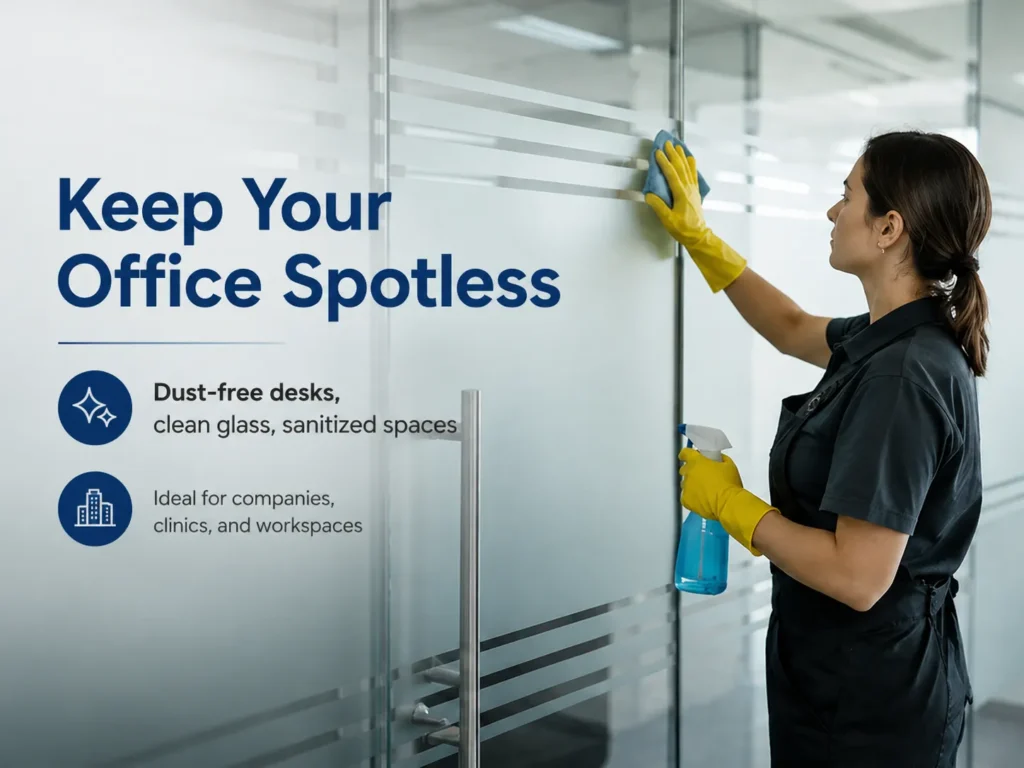
Office cleaning is not the same for every workplace. A small administrative office does not need the same cleaning plan as a clinic, a real estate office, a training center, a commercial showroom, or an office inside a warehouse. Each workplace has a different level of foot traffic, visitor flow, flooring type, bathroom use, dust exposure, and cleaning priority.
Pro H Clean provides office cleaning for different business spaces, from compact offices to larger company floors and commercial facilities. The service is planned around the way your office is used every day. Some offices need strong attention to reception and glass. Others need regular bathroom and pantry cleaning. Some need carpet and upholstery care, while others need deeper dust removal after maintenance or furniture movement.
A client-facing office needs a different cleaning focus than an internal workspace, and a busy company office needs a stronger schedule than a lightly used private office.
Cleaning for corporate and administrative offices
Corporate and administrative offices usually include employee desks, meeting rooms, reception areas, corridors, shared bathrooms, pantry areas, and management rooms. These spaces are used for long hours, and they need a stable cleaning routine to stay organized and presentable throughout the week.
Cleaning corporate offices may include dusting workstations, wiping visible surfaces, emptying bins, cleaning floors, preparing meeting rooms, cleaning bathrooms, maintaining the pantry area, and removing visible fingerprints from doors and internal glass. If the office receives clients or partners, reception and meeting rooms are given higher priority because they shape the first impression.
Cleaning for real estate, consulting, and service offices
Real estate offices, consulting offices, legal offices, accounting offices, and service offices depend heavily on first impressions. A client entering the office will quickly notice the reception desk, waiting chairs, glass doors, meeting table, floor condition, and bathroom cleanliness.
These offices may not always be large, but details matter. Dust on a reception counter, fingerprints on glass, stained seating, or an unpleasant bathroom can weaken the image of the business. Pro H Clean focuses on the visible areas that clients see first, while also maintaining employee work areas and shared spaces.
Cleaning for clinics and light medical offices
Clinics and light medical offices need a higher level of cleaning attention than ordinary offices because visitors connect cleanliness with trust and comfort. Waiting areas, reception counters, bathrooms, chairs, doors, handles, and high-touch surfaces should be cleaned carefully and regularly.
In clinics, cleaning is not only about making the floor look good. Seats used by visitors, small tables, door handles, corridors, bathrooms, and surfaces touched throughout the day all need organized care. The cleaning should also be done in a calm and practical way so it does not disturb patients, reception staff, or daily operations.
Cleaning for training centers and educational offices
Training centers, institutes, and educational offices often include classrooms, chairs, desks, boards, corridors, reception areas, and bathrooms. After training sessions or classes, tables and chairs can become disorganized, bins fill up, floors collect dust, and bathrooms need attention.
Cleaning these spaces helps prepare the center for the next session or the next working day. The service may include arranging chairs, cleaning desks, wiping tables, emptying bins, cleaning floors, refreshing bathrooms, and keeping reception areas presentable for students, trainees, and visitors.
Cleaning for offices inside shops and showrooms
Some shops, showrooms, and commercial spaces include a small office area, sales desk, customer seating area, or administrative room. These areas need a cleaning approach that combines office cleaning with customer-facing presentation. The space may be small, but it is often used throughout the day.
In shops and showrooms, the focus may include the entrance, reception desk, customer seating, floors, internal glass, counters, bathrooms, and visible surfaces. Cleaning can be arranged before opening, after closing, or during quiet hours to avoid interrupting customers and sales activity.
Cleaning for offices inside warehouses and commercial facilities
Offices inside warehouses, workshops, and commercial facilities usually face more dust than regular office spaces. Movement of goods, loading areas, open doors, staff movement, and nearby storage zones can bring dust into the office quickly.
This type of office needs practical cleaning with strong attention to dust removal. The service may include wiping desks, cleaning floors, removing dust from visible surfaces, emptying bins, cleaning staff areas, cleaning bathrooms, and maintaining the office so it remains usable and professional despite the surrounding warehouse activity.
Cleaning for meeting rooms and management offices
Meeting rooms and management offices should always look ready. Dust on a conference table, fingerprints on glass, unarranged chairs, or a dirty floor can be noticed immediately by clients, visitors, managers, and business partners.
Cleaning meeting rooms includes wiping tables, arranging chairs, cleaning glass where needed, cleaning floors, emptying bins, and checking that the room is ready for use. If meetings are frequent, cleaning can be scheduled before or after important sessions to keep the room ready at all times.
| Office or Facility Type | Main Cleaning Focus | Recommended Service Style |
|---|---|---|
| Corporate office | Workstations, bathrooms, meeting rooms, corridors | Regular cleaning based on staff count and daily use |
| Real estate or consulting office | Reception, glass, client tables, waiting area | Focus on first impression and visible areas |
| Clinic or medical office | Waiting area, bathrooms, handles, high-touch surfaces | Detailed cleaning with calm and organized service |
| Training center | Classrooms, chairs, desks, floors, bathrooms | Cleaning after sessions or before the next working day |
| Warehouse office | Dust, floors, staff areas, bathrooms, visible surfaces | Practical cleaning with strong dust control |
How we choose the right office cleaning plan
To choose the right cleaning plan, we look at how your office is used. Does it receive clients daily? How many employees use the space? How many bathrooms are there? Is there a pantry area? Are the floors carpet, tile, marble, or parquet? Are there meeting rooms, reception areas, or glass partitions? Is the service needed one time or on a regular schedule?
After understanding these details, Pro H Clean can recommend daily cleaning, weekly cleaning, deep cleaning, post-maintenance cleaning, before-opening cleaning, or a custom plan for client-facing areas. This helps you get a cleaning service that matches your office instead of a general service that ignores important details.
- Number of employees and daily visitors.
- Number of rooms, bathrooms, corridors, and shared areas.
- Flooring type and whether the office has carpet or fitted carpet.
- Presence of reception, meeting rooms, waiting areas, or training rooms.
- Preferred cleaning time before work, after work, or during quiet hours.
- Whether the service is one-time, weekly, daily, or deep cleaning.
Daily, Deep, and Periodic Office Cleaning
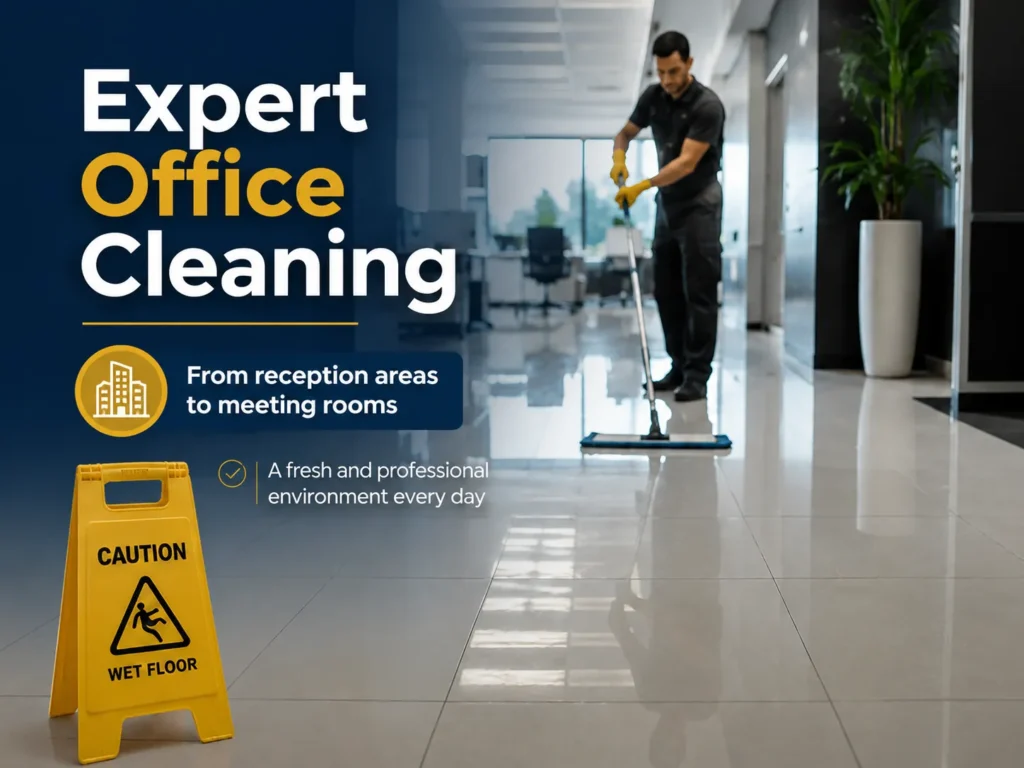
Not every office needs the same cleaning schedule. Some workplaces need light daily cleaning to keep the office fresh and ready during the week. Others need deep cleaning after dust buildup, maintenance, furniture movement, or a long period without proper cleaning. Some offices need periodic cleaning before an event, before opening, before a client visit, or after a busy business season.
Pro H Clean helps you choose the right office cleaning service based on the real condition of the workplace. If the office is active every day and has employees, visitors, bathrooms, a pantry area, and meeting rooms, regular cleaning is usually the best option. If the office has visible dust, stains, odors, dirty carpets, or hidden dirt in corners and edges, deep office cleaning is more suitable.
The right cleaning schedule saves time and keeps the office under control. A regularly cleaned office does not always need deep cleaning, and a heavily dusty office cannot be fixed with quick surface cleaning only.
Daily office cleaning for active workplaces
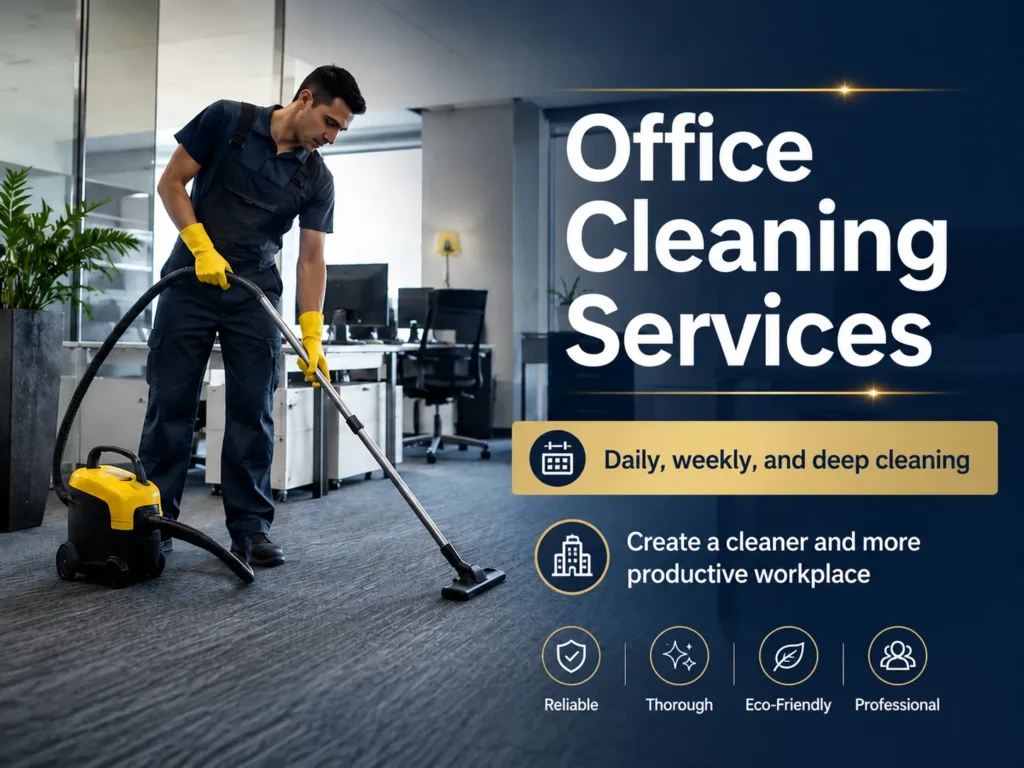
Daily office cleaning is suitable for workplaces that are used every day by employees, clients, visitors, or management teams. This service focuses on the tasks that keep the office presentable: emptying bins, cleaning visible surfaces, wiping desks, cleaning floors, refreshing bathrooms, maintaining the pantry area, and keeping reception and meeting rooms ready.
Daily cleaning does not mean moving every piece of furniture or deep cleaning every corner. It means keeping the essential areas clean after normal business use. When these tasks are done regularly, dust does not build up quickly, bathrooms stay more comfortable, pantry odors are reduced, and the office remains ready for meetings or unexpected visits.
- Emptying bins and replacing garbage bags.
- Dusting desks, counters, and visible work surfaces.
- Cleaning floors, corridors, entrances, and shared areas.
- Cleaning bathrooms, sinks, mirrors, and high-touch surfaces.
- Maintaining pantry areas, coffee corners, and small office kitchens.
- Organizing reception areas and meeting rooms.
- Removing visible fingerprints from glass doors and partitions.
- Checking for odors, stains, or visible mess before the next working day.
Weekly office cleaning for smaller or lower-traffic offices
Some offices do not need cleaning every day. If the office is small, has only a few employees, does not receive visitors often, or is used for limited hours, weekly cleaning may be enough to maintain a clean and organized appearance. This option is practical for private offices, small administrative spaces, and offices with lighter daily activity.
Weekly cleaning usually includes dust removal, surface cleaning, floor cleaning, bathroom cleaning, bin removal, pantry cleaning, and general organization. However, if bins fill quickly, bathrooms become uncomfortable, or dust appears again within a short time, the cleaning frequency should be increased to match the actual use of the office.
Deep office cleaning for dust, stains, and neglected areas
Deep office cleaning is needed when regular cleaning is no longer enough. If dust has built up behind furniture, corners have not been cleaned for a long time, floors look dull, carpets have odors, glass partitions have heavy marks, or bathrooms need stronger attention, deep cleaning is the right choice.
A deep cleaning service reaches areas that are usually missed during quick cleaning. This may include edges, corners, under tables, behind chairs, visible storage areas, glass partitions, bathroom details, pantry surfaces, reception seating, corridors, and heavily used zones. If the office has carpets, fitted carpet, or fabric seating, carpet cleaning and sofa cleaning can be added when needed.
| Cleaning Type | Best For | Main Focus |
|---|---|---|
| Daily cleaning | Active offices with daily employees or visitors | Bins, surfaces, floors, bathrooms, pantry, reception |
| Weekly cleaning | Small or low-traffic offices | General dusting, floor care, bathrooms, basic maintenance |
| Deep cleaning | Offices with dust buildup, stains, odors, or ignored corners | Edges, corners, floors, bathrooms, glass, detailed areas |
| Post-maintenance cleaning | After painting, repairs, installation, or furniture movement | Fine dust, work residue, floors, glass, and visible surfaces |
| Before-opening cleaning | New offices, branch opening, or client visit preparation | Reception, meeting rooms, bathrooms, floors, and first impression |
Office cleaning after maintenance or furniture movement
After maintenance, painting, installation, or moving furniture, the office may look normal from a distance, but fine dust can remain on desks, floors, glass, cables, corners, shelves, and behind furniture. This dust can continue spreading after employees return if it is not cleaned properly.
Post-maintenance office cleaning focuses on removing fine dust, cleaning floors, wiping visible surfaces, cleaning glass from marks and fingerprints, refreshing bathrooms, cleaning corridors, and preparing the office before work resumes. This service is useful before employees return, before reopening, or before welcoming clients after repair work.
Office cleaning before opening or before an important visit
Before a new office opening, client visit, management meeting, audit, photography session, or company event, the office should look its best. In these situations, cleaning must focus on the areas that create the strongest first impression: entrance, reception, meeting room, glass, floors, bathrooms, pantry area, and visible workspaces.
Before-visit cleaning should be organized based on the available time. If time is limited, the visible and client-facing areas are handled first. If there is enough time, deeper details such as corners, edges, behind furniture, and carpet care can be added.
Carpet and fitted carpet cleaning in offices
Many offices have carpets or fitted carpet in corridors, meeting rooms, reception areas, management rooms, or work zones. Carpet can collect dust, odors, shoe marks, and drink stains over time. Regular vacuuming helps, but deep carpet cleaning may be needed when stains or smells become visible.
Office carpet cleaning is especially important in client-facing offices and busy workplaces. Dirty carpet can make the whole office feel older and less professional. Pro H Clean can support office cleaning with carpet cleaning when the flooring needs more than simple vacuuming.
Cleaning reception sofas and fabric office chairs
Reception sofas, waiting chairs, and fabric office chairs are used by visitors and employees every day. Over time, they can collect dust, stains, odors, and fabric discoloration. General office cleaning improves the surrounding space, but fabric seating may need separate upholstery cleaning to restore a fresher appearance.
Sofa and chair cleaning is useful for offices with waiting areas, meeting rooms, reception spaces, clinics, real estate offices, and service offices. Clean seating supports the overall office appearance and makes visitors feel more comfortable.
How to choose the right office cleaning schedule
The right office cleaning schedule depends on the number of employees, visitor traffic, type of business, size of the office, number of bathrooms, flooring type, and how quickly the space becomes dirty. An office with many employees and daily visitors needs a stronger schedule than a small private office used only a few times a week.
You can start with weekly cleaning and increase the frequency if the office becomes dirty too quickly. Busy companies may choose daily cleaning or several visits per week. Deep cleaning can be scheduled monthly, seasonally, after maintenance, or whenever the office needs more detailed care.
- Busy office: daily cleaning or several visits per week.
- Small office: weekly cleaning or cleaning based on need.
- Office with carpet: regular vacuuming and deep carpet cleaning when stains or odors appear.
- Client-facing office: constant focus on reception, glass, meeting rooms, and bathrooms.
- Office after maintenance: deep cleaning before employees return.
- New office: full cleaning before opening or before moving furniture in.
Office Cleaning FAQ and Booking
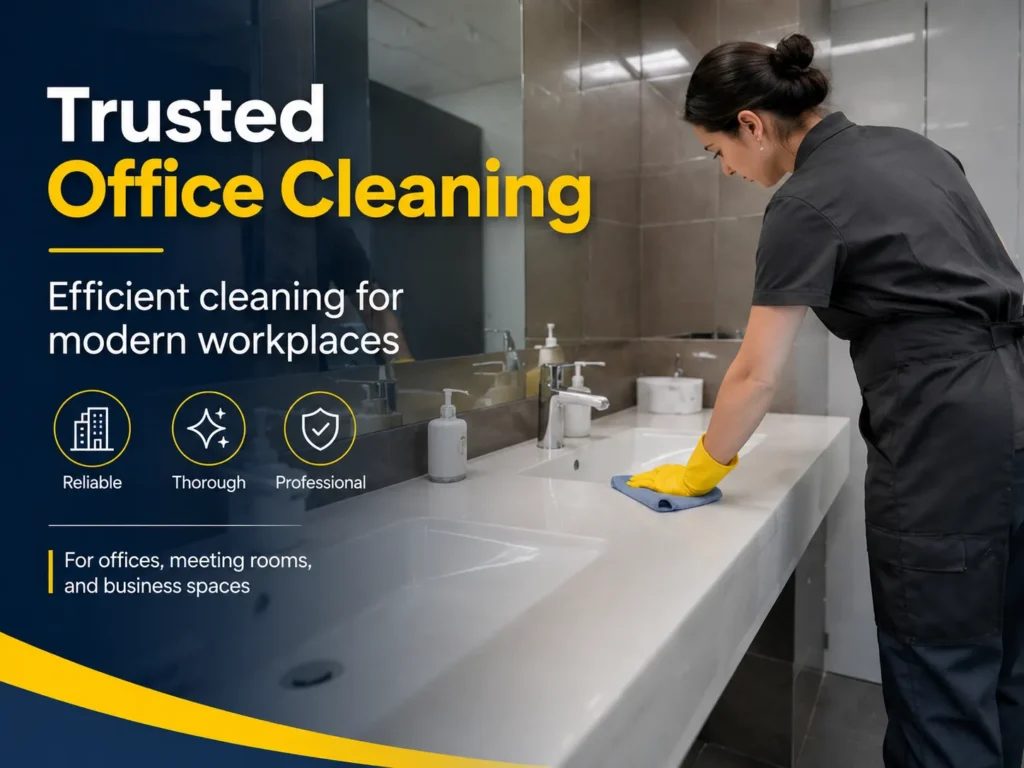
Before booking office cleaning, most business owners and office managers want to know what the service includes, whether cleaning can be done after working hours, how often the office should be cleaned, and whether carpet, sofa, glass, pantry, and bathroom cleaning can be added. These answers help you choose the right cleaning plan for your workplace without confusion.
Pro H Clean provides office cleaning for companies, clinics, real estate offices, consulting offices, training centers, commercial spaces, showrooms, and offices inside facilities. The service can be arranged as daily cleaning, weekly cleaning, deep cleaning, post-maintenance cleaning, before-opening cleaning, or one-time preparation before an important visit.
Does Pro H Clean provide office cleaning services?
Yes. Pro H Clean provides office cleaning for corporate offices, administrative offices, real estate offices, clinics, training centers, shops, showrooms, meeting rooms, reception areas, and commercial facilities. The cleaning plan is based on the size of the office, number of rooms, flooring type, bathroom count, and required cleaning frequency.
What is included in office cleaning?
Office cleaning may include dusting visible surfaces, cleaning desks and tables, emptying bins, cleaning floors, refreshing bathrooms, cleaning pantry areas or coffee corners, organizing reception areas, preparing meeting rooms, and removing visible fingerprints from glass doors or internal partitions.
Can the office be cleaned after working hours?
Yes. Office cleaning can be arranged before working hours, after working hours, or during a quiet period that does not interrupt employees, meetings, or client visits. Many companies prefer after-hours cleaning to keep the office ready for the next business day.
Do you provide daily office cleaning?
Yes. Daily office cleaning can be arranged for busy workplaces that have employees, visitors, shared bathrooms, pantry areas, meeting rooms, and active reception spaces. Daily cleaning helps maintain a stable level of cleanliness throughout the week.
Can I book deep office cleaning?
Yes. Deep office cleaning is suitable when there is dust buildup, stains, odors, dirty carpets, neglected corners, post-maintenance dust, or furniture movement. It focuses on deeper details such as corners, edges, floors, bathrooms, glass, pantry areas, and high-use spaces.
Do you clean offices after maintenance or painting?
Yes. Pro H Clean can clean offices after maintenance, painting, furniture installation, equipment movement, or small renovation work. This service focuses on removing fine dust, cleaning floors, wiping visible surfaces, cleaning glass, refreshing bathrooms, and preparing the office for employees or clients.
Are office bathrooms included?
Yes. Bathroom cleaning is an important part of office cleaning. It may include sinks, mirrors, floors, doors, handles, toilet areas, bins, and high-touch surfaces, with attention to visible stains and unpleasant odors.
Do you clean the office pantry or coffee area?
Yes. Pantry and coffee area cleaning can include wiping counters, cleaning the sink if available, removing coffee stains, emptying bins, cleaning visible surfaces, and improving the general freshness of the staff area.
Can carpet or fitted carpet cleaning be added?
Yes. If your office has carpet, fitted carpet, rugs, or carpeted meeting rooms, carpet cleaning can be added when needed. This is useful when carpets show stains, odors, shoe marks, dust buildup, or heavy daily use.
Do you clean reception sofas and fabric office chairs?
Yes. Sofa cleaning and fabric chair cleaning can be added for reception sofas, waiting chairs, meeting room chairs, and fabric office seating. This helps improve the appearance of client-facing areas and makes the office feel fresher.
How is the office cleaning price calculated?
The price depends on office size, number of rooms, number of bathrooms, flooring type, level of dirt, presence of carpet or upholstery, number of cleaners required, cleaning duration, and whether the service is one-time or recurring. Sending office photos can help with a clearer recommendation.
What should I send before booking?
Send the approximate office size, number of rooms, number of bathrooms, flooring type, whether there is carpet or fitted carpet, whether there is a reception or meeting room, and whether you need daily, weekly, deep, or one-time office cleaning. Photos are helpful when available.
| Before Booking | Information Needed | Why It Helps |
|---|---|---|
| Office size | Approximate area and number of rooms | Helps estimate time and number of cleaners |
| Bathroom count | Number of bathrooms and their condition | Helps define the cleaning scope |
| Flooring type | Tile, marble, parquet, carpet, or fitted carpet | Helps choose the right floor cleaning method |
| Client-facing areas | Reception, meeting room, glass, waiting area | Helps focus on first impression areas |
| Cleaning frequency | Daily, weekly, deep cleaning, or one-time service | Helps recommend the right cleaning plan |